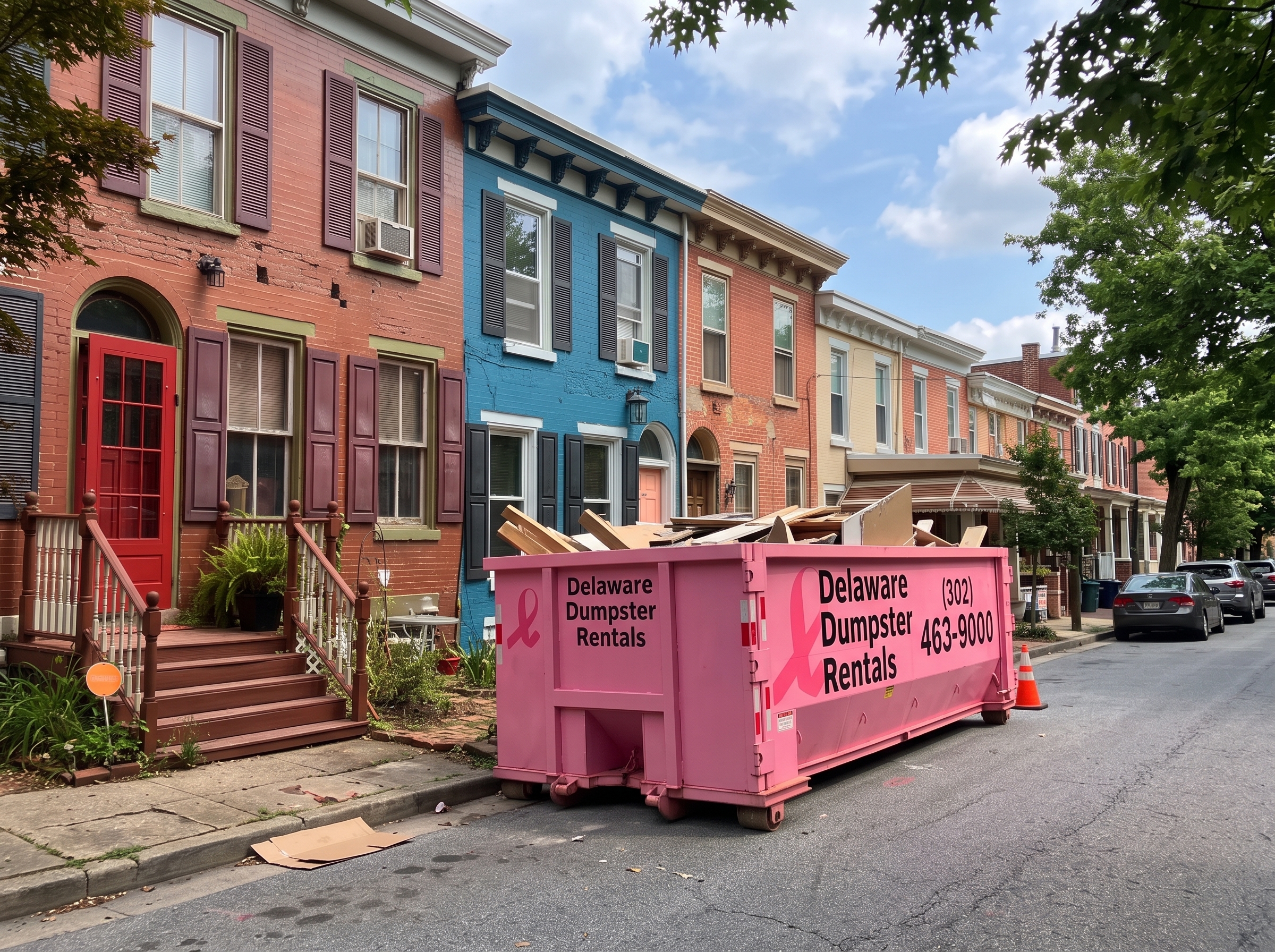

A basement remodel can turn an underused lower level into a comfortable family room, home office, guest suite, gym, workshop, or storage space that finally works for your household. Before new flooring, framing, paint, or finishes can go in, though, old materials usually have to come out. That may mean broken drywall, damp carpet, paneling, ceiling tile, old shelving, damaged furniture, insulation, wood scraps, and years of accumulated belongings.
This guide explains how to rent a dumpster for a basement remodel in Delaware, including how to choose a size, schedule delivery, plan placement, load safely, understand rental time, and prepare for pickup.
Why a Basement Remodel Often Needs a Dumpster
A basement renovation creates a surprising amount of debris, even when the finished space is not especially large. Homeowners may begin by removing a few old boxes and discover warped furniture, wet carpet, damaged wall materials, outdated shelving, or unused appliances behind them. Once demolition begins, the amount of waste can grow quickly.
For example, removing old wall paneling may reveal drywall that also needs replacement. Replacing carpet can uncover old padding, tack strips, and damaged subflooring. A basement bathroom update can add tile, vanity materials, plumbing fixtures, and packaging from new products. If moisture has affected the space, cleanup may also involve ruined boxes, insulation, and other materials that should not remain inside the home.
A dumpster for a basement remodel gives you a designated place to contain that debris as it comes out. Instead of creating piles in the driveway, filling your garage, or making repeated trips in a personal vehicle, you can load material directly into the container during each stage of the work.
That matters for more than convenience. Basement renovation debris often includes sharp, heavy, dusty, or awkward materials. Broken tile, nails, wood scraps, old carpet tack strips, and pieces of drywall can create hazards when they are left around the property. Keeping waste contained helps maintain clearer pathways for family members, contractors, and anyone moving materials in or out of the basement.
For homeowners in Wilmington, Newark, Middletown, Bear, New Castle, Hockessin, Pike Creek, and nearby New Castle County communities, a dumpster rental can also reduce the pressure of coordinating disposal around an already busy remodeling schedule. You can focus on the work in front of you rather than wondering where each load of debris will go.
Start by Understanding Your Basement Remodel Scope
The best dumpster rental for a basement remodel depends on the type and volume of material you expect to remove. A simple refresh produces far less debris than a full basement gut renovation, so it helps to make a rough plan before you schedule a container.
Walk through the basement and think about each phase of the project. Look beyond the visible furniture and boxes. Consider the materials that may come out during demolition, repairs, upgrades, and cleanup.
Your basement remodel may involve:
- Old carpet, carpet padding, tack strips, or laminate flooring
- Wood paneling, drywall, ceiling tile, or insulation
- Studs, trim, shelving, doors, and framing lumber
- Cabinets, countertops, old sinks, or bathroom vanities
- Tile, grout, fixtures, and pieces of a shower surround
- Damaged furniture, storage bins, boxes, and household clutter
- Outdated appliances or equipment that are accepted for disposal
- Packaging, cardboard, plastic wrap, and leftover construction materials
- Small amounts of yard debris if the project also includes exterior access improvements
A basement cleanout may be the first stage of the remodel, especially in older New Castle County homes where the basement has become long-term storage. In that situation, it is easy to underestimate how much space bulky household items will take up. Sofas, mattresses, shelving units, broken exercise equipment, cardboard boxes, and water-damaged materials can fill a dumpster faster than homeowners expect.
If you are planning a more extensive renovation, think through the demolition process as well. Removing one room’s flooring may not require the same capacity as removing flooring, walls, ceilings, fixtures, cabinetry, and accumulated contents throughout the basement. Planning for the full project rather than only the first day of cleanup helps you select a dumpster that supports the job from start to finish.
Choose the Right Dumpster Size for a Basement Remodel
Choosing the right dumpster size is one of the most important parts of renting a dumpster for a basement remodel. A container that is too small can lead to overfilling or the need for an additional rental. A container that is much larger than the job may take up more driveway space than necessary.
At Delaware Dumpster Rentals, we offer 15-yard and 20-yard roll-off dumpsters for residential projects in New Castle County and the surrounding area. Both sizes can work well for basement-related projects, but the better fit depends on what you are removing.
When a 15-Yard Dumpster Makes Sense
A 15-yard dumpster is often a practical choice for a smaller basement renovation, a single-room remodel, or a focused cleanup. Our 15-yard dumpster measures approximately 14 feet long, 8 feet wide, and 4 feet high. Its lower sidewalls can also make it easier to load heavier items without lifting them as high.
A 15-yard dumpster may be a good fit when your project includes:
- A small basement cleanout with boxes, shelving, and unwanted household items
- Carpet and flooring removal from one or two basement rooms
- A basement bathroom update with old tile, a vanity, drywall, and fixtures
- Removal of paneling, trim, shelving, and a limited amount of drywall
- Cleanup before painting, adding storage, or creating a home office
- A project with moderate debris but limited driveway space
This size is especially useful when you are improving part of a basement rather than completely rebuilding the entire level. It provides enough room for many common materials while still fitting comfortably in many residential driveways.
When a 20-Yard Dumpster Is a Better Fit
A 20-yard dumpster is typically the better choice for a full basement remodel, a major cleanout, or a project that combines demolition with household disposal. Our 20-yard dumpster measures approximately 16 feet long, 8 feet wide, and 5 feet high, providing more room for bulky materials and larger volumes of mixed debris.
A 20-yard dumpster may be the right option when you are:
- Cleaning out an entire basement before beginning renovation work
- Removing substantial amounts of carpet, drywall, paneling, and ceiling material
- Demolishing a finished basement to rebuild it with a different layout
- Taking out old cabinets, furniture, appliances, shelving, or built-in storage
- Remodeling several basement rooms at the same time
- Replacing flooring throughout a large basement
- Combining a basement remodel with a garage, attic, or household cleanout
Many homeowners in the Wilmington and New Castle County area choose a 20-yard dumpster for basement remodel projects because basement debris often includes a mix of bulky belongings and construction materials. The added capacity gives you more flexibility when the project uncovers unexpected items or when demolition creates more waste than originally anticipated.
If you are deciding between sizes, it is generally better to account for the entire project rather than only the first phase. A container should give you enough room to load safely without stacking debris above the top edge.
Plan Your Dumpster Rental Before Demolition Begins
The smoothest basement remodel dumpster rental begins before the first wall comes down. Scheduling in advance gives you time to choose a delivery date, prepare the driveway, and coordinate the rental with contractors or your own work schedule.
At Delaware Dumpster Rentals, our rental period is up to 10 days for both 15-yard and 20-yard dumpsters. That gives many homeowners enough time to handle demolition, sort through belongings, load debris, and complete final cleanup without rushing through the project.
For a basement remodel, consider scheduling delivery shortly before you plan to begin cleanup or demolition. If the dumpster arrives too early, it can occupy your driveway before you are ready to use it. If it arrives too late, debris may start piling up inside the basement, garage, or yard.
A good schedule might look like this:
- Use the first day to sort stored belongings into keep, donate, recycle, and dispose categories
- Begin demolition after you have a clear loading path from the basement to the dumpster
- Load large, bulky materials as they come out instead of setting them aside
- Use the middle of the rental period for the main demolition phase
- Reserve the final days for leftover scraps, packaging, and final cleanup
- Request pickup when the container is loaded properly and the project debris is ready to leave
If contractors are handling the basement remodel, ask when demolition will begin and how long they expect that stage to last. You do not need to match the dumpster rental exactly to every part of the construction schedule. Instead, focus on the period when the largest amount of debris will be generated.
Spring and fall can be busy times for residential remodeling, cleanouts, yard work, and home improvement projects around New Castle County. Booking ahead helps you secure the delivery timing that best fits your plans.
Prepare the Delivery Area
Before your dumpster arrives, choose a location that is accessible, stable, and close enough to make loading manageable. For most residential basement remodel projects, the driveway is the preferred placement area.
A driveway keeps the dumpster off the street, protects your yard from heavy traffic, and gives you a direct route for carrying debris from the basement. It also makes pickup easier when the project is complete.
Look for a location that is:
- Flat and stable
- Clear of parked vehicles
- Free of low-hanging tree branches
- Away from power lines and other overhead obstructions
- Close enough to the basement entrance for efficient loading
- Positioned so it does not block garage access, doors, sidewalks, or emergency paths
If your basement has a walkout entrance, consider placing the dumpster where materials can move efficiently from that doorway to the container. If your basement is only accessible through interior stairs, plan a clear route through the home or garage. Cover flooring if needed, remove tripping hazards, and keep the route open during demolition.
Some homes in Wilmington and older New Castle County neighborhoods have narrower driveways or tighter access points. Measure the space if you are unsure. Our 15-yard dumpster is approximately 14 feet long and 8 feet wide, while our 20-yard dumpster is approximately 16 feet long and 8 feet wide. You should also allow room for the delivery truck to safely place and retrieve the container.
Street placement can involve local rules, so it is important to check requirements with the appropriate local authority if a driveway is not available. Driveway placement is often simpler for residential projects, but every property and municipality can have different considerations.
Make Basement Cleanup Safer and More Efficient
A basement remodel can involve heavy lifting, dusty materials, sharp debris, and tight stairways. The right dumpster helps keep waste under control, but safe work habits still matter from the first load to the final pickup.
Start by setting up a staging area near the basement exit. This does not need to be a large pile of debris. It can simply be a clear, temporary space where one person can pass materials safely to another person or prepare items for loading. The goal is to avoid carrying awkward loads through cluttered rooms or across uneven pathways.
Wear appropriate protective gear during demolition and cleanup. Gloves help protect your hands from nails, splinters, sharp tile, and rough materials. Sturdy closed-toe shoes help prevent foot injuries. Safety glasses, a dust mask or respirator suited to the task, and hearing protection may be appropriate when removing drywall, flooring, ceiling materials, or other dusty building components.
Use safe lifting practices. Bend at your knees, keep loads close to your body, and ask for help with heavy or awkward objects. Old furniture, water-damaged boxes, appliances, and pieces of framing may be heavier than they appear. Do not try to carry oversized materials down basement stairs alone.
Keep children and pets away from the demolition area and the dumpster. A remodeling site can change quickly, especially when materials are being removed, tools are in use, and debris is being carried through the property.
For older homes, do not assume that all building materials are safe to remove without evaluation. If you suspect asbestos-containing materials, lead-based paint hazards, mold contamination, or another potentially hazardous condition, pause work and consult a qualified professional. These materials should not be handled or placed in a standard dumpster without following appropriate safety and disposal requirements.
Know What Can Go in Your Dumpster
Most basement remodel debris can go into a residential roll-off dumpster, including common non-hazardous construction materials and household waste. This can make the cleanup stage much easier because you can dispose of many types of debris in one place.
Common acceptable materials may include:
- Drywall and plaster
- Wood, trim, lumber, and paneling
- Carpet, padding, and flooring materials
- Tile, cabinets, counters, and fixtures
- Furniture and general household junk
- Cardboard, packaging, and non-hazardous debris
- Shelving, doors, and non-electronic household items
- Small amounts of renovation-related mixed waste
However, certain items require separate handling and should not be placed in a dumpster. Hazardous materials can create safety, environmental, and disposal issues. Before loading any questionable item, ask whether it is accepted.
Items that commonly require separate disposal include:
- Paint, stain, solvents, and chemicals
- Gasoline, oil, propane tanks, and other fuels
- Batteries
- Pesticides and herbicides
- Medical waste
- Asbestos-containing materials
- Items contaminated by hazardous substances
- Electronics that may have special recycling requirements
- Tires, depending on disposal policies
- Refrigerants or appliances that require special preparation
If your basement was affected by flooding or moisture, take extra care before loading damaged materials. Wet carpet, drywall, furniture, insulation, and boxes can become extremely heavy. Separate materials when possible, wear protective equipment, and make sure you understand any special disposal requirements for contaminated debris.
When in doubt, contact Delaware Dumpster Rentals before placing an item in the container. It is easier to confirm disposal options in advance than to deal with prohibited materials after loading.
Load the Dumpster Correctly
How you load a dumpster matters. Proper loading helps you make the most of the available space, keeps the container safe for transport, and reduces the risk of needing additional disposal space.
Start with heavier, denser materials at the bottom. For a basement remodel, that might include tile, drywall, old cabinetry, lumber, or pieces of furniture. Spread weight across the floor of the dumpster rather than building one heavy pile on a single side.
Break down bulky items whenever it is safe and practical to do so. Disassemble shelves, remove table legs, flatten cardboard, and cut long pieces of carpet or paneling into manageable lengths. This can create more usable space and help prevent large empty gaps in the container.
Place lighter materials on top of heavier debris. Packaging, cardboard, small wood scraps, and lightweight insulation can fill spaces around larger materials. Avoid throwing loose debris over the sides or piling material above the rim.
Keep all debris below the top edge of the dumpster. An overfilled dumpster can be unsafe to transport and may delay pickup until the load is corrected. Before pickup day, walk around the container and make sure nothing is sticking up or extending over the sides.
If rain is expected, consider how moisture will affect your load. Water can add weight to carpet, drywall, wood, boxes, and other porous materials. Keep materials inside whenever possible until you are ready to load them, and avoid filling the dumpster with items that can soak up unnecessary water early in the rental period.
Use Your Rental Period Wisely
A basement remodel does not always follow a perfect timeline. You may discover hidden damage, wait for a contractor, need to make changes to the design, or decide to remove more clutter while the dumpster is already on-site. A rental period of up to 10 days gives homeowners room to work through those normal project adjustments.
To use that time well, keep debris moving steadily. Do not wait until the final day to begin loading everything at once. Load demolition materials as they are removed, but keep your work area organized so you can separate items that should be donated, recycled, or handled through a different disposal method.
It can also help to use the rental as an opportunity to complete related cleanup tasks. If you are remodeling a basement family room, for instance, you may decide to clear outdated storage from the adjacent utility area. If you are replacing basement flooring, you may also remove damaged shelving, old furniture, or unused items that no longer belong in the space.
That does not mean every unwanted item should automatically go in the dumpster. Set aside usable furniture, working tools, clothing, and household goods that could be donated. Recycling metal, cardboard, and other recoverable materials when possible can also reduce unnecessary waste.
The goal is to make the basement remodel easier, not to turn the project into a rushed whole-house cleanout. Focus first on the materials that must leave for renovation work to continue, then use any available capacity thoughtfully.
Coordinate Dumpster Pickup With Your Project
Once the demolition and cleanup stages are complete, inspect the dumpster before scheduling or preparing for pickup. Make sure the load stays below the top edge and that no prohibited items have been accidentally added.
Remove vehicles from the delivery area and make sure the truck can access the container. Clear any equipment, loose materials, or obstacles that may block the driveway. If a gate is normally closed, make sure access is available on the scheduled pickup day.
If your basement remodel is still underway but the dumpster is full, do not continue adding material above the rim. Contact Delaware Dumpster Rentals to discuss your next step. Depending on the project, you may need another container, a swap, or a different disposal plan for remaining debris.
It is also helpful to do one last sweep of the basement, garage, driveway, and yard before the dumpster leaves. Renovation projects often leave behind small piles of packaging, scraps, and loose debris that are easy to miss during the busy final days.
A clean pickup area and properly loaded container make the end of your rental just as smooth as delivery.
Basement Remodel Dumpster Rental Tips for New Castle County Homeowners
Every Delaware basement is different. Some are fully finished and ready for an update, while others are unfinished storage areas that need major cleanup before renovation can begin. Homes throughout New Castle County also vary in driveway size, neighborhood layout, basement access, and age.
For that reason, the most successful dumpster rental starts with a realistic look at your home and project.
If your basement is in an older Wilmington home, you may be dealing with narrow access routes, smaller driveways, or a basement reached by steep interior stairs. In these situations, clear pathways and a well-chosen dumpster location can make a major difference.
If you live in Newark, Bear, Middletown, Hockessin, Pike Creek, New Castle, or another nearby community, you may have more driveway space but still need to plan around vehicles, garage access, landscaping, or neighborhood traffic. Set the dumpster where it supports the project without making daily routines unnecessarily difficult.
Homeowners should also think about the season. Delaware weather can affect basement remodel timelines, especially when work involves a walkout entrance, exterior drainage improvements, foundation repairs, or moving debris through outdoor areas. Rain can make materials heavier and create slippery conditions. Summer heat can make demolition work more demanding. Fall and spring are popular seasons for home improvement projects, so planning ahead is useful.
A dumpster rental is not only about getting rid of trash. It is about creating a more manageable worksite. When debris has a dedicated place to go, your basement stays clearer, your renovation team can move more easily, and the project can progress with fewer interruptions.
FAQs About Renting a Dumpster for a Basement Remodel
What size dumpster should I rent for a basement remodel in Delaware?
For a smaller basement remodel or partial cleanout, Delaware Dumpster Rentals often recommends a 15-yard dumpster. For a full basement renovation, large cleanout, or project involving furniture, flooring, drywall, paneling, and other bulky debris, a 20-yard dumpster usually provides more room. We help homeowners throughout New Castle County choose based on the materials they expect to remove.
How long can I keep a dumpster for a basement renovation?
Delaware Dumpster Rentals provides up to 10 days of rental time for our 15-yard and 20-yard dumpsters. This rental period gives most homeowners time to complete basement cleanup, demolition, loading, and final project debris removal. Contact us if your project timeline changes or you need to discuss your rental needs.
Can I put carpet, drywall, wood, and old furniture in a dumpster?
Yes. Common basement remodel materials such as carpet, carpet padding, drywall, wood, paneling, trim, shelving, cabinets, furniture, cardboard, and general non-hazardous debris can usually be placed in a dumpster. We recommend asking us before loading any material that may require special disposal.
What items cannot go in a dumpster during a basement remodel?
Do not place hazardous materials in a dumpster. This commonly includes paint, chemicals, oil, gasoline, propane tanks, batteries, pesticides, asbestos-containing materials, medical waste, and certain electronics. If you are unsure about an item from your basement remodel, contact Delaware Dumpster Rentals before disposing of it.
Where should I place a dumpster at my New Castle County home?
For most residential basement remodel projects, a flat and stable driveway is the best place for a dumpster. Choose a location that is clear of vehicles, low branches, overhead lines, and obstacles. Keep the container close enough to the basement entrance to reduce carrying distance, while leaving access to doors, garages, and walkways when possible.
Do I need a permit for a basement remodel dumpster rental in Wilmington or New Castle County?
A permit may be required if you need to place a dumpster on a public street, roadway, or other public area. Driveway placement is often the simplest option for homeowners. Requirements can vary by municipality and neighborhood, so check with the appropriate local authority if street placement is necessary.
A well-planned dumpster rental can make a basement remodel far less stressful. Whether you are clearing out decades of storage, removing damaged finishes, or completely rebuilding a lower level into usable living space, Delaware Dumpster Rentals provides 15-yard and 20-yard dumpsters for residential projects throughout New Castle County and surrounding Delaware communities. Our dumpsters give homeowners a practical way to contain debris, maintain a safer work area, and keep renovation cleanup moving from the first day of demolition through final pickup.
Share this article
Latest articles

November 16, 2026
November 16, 2026