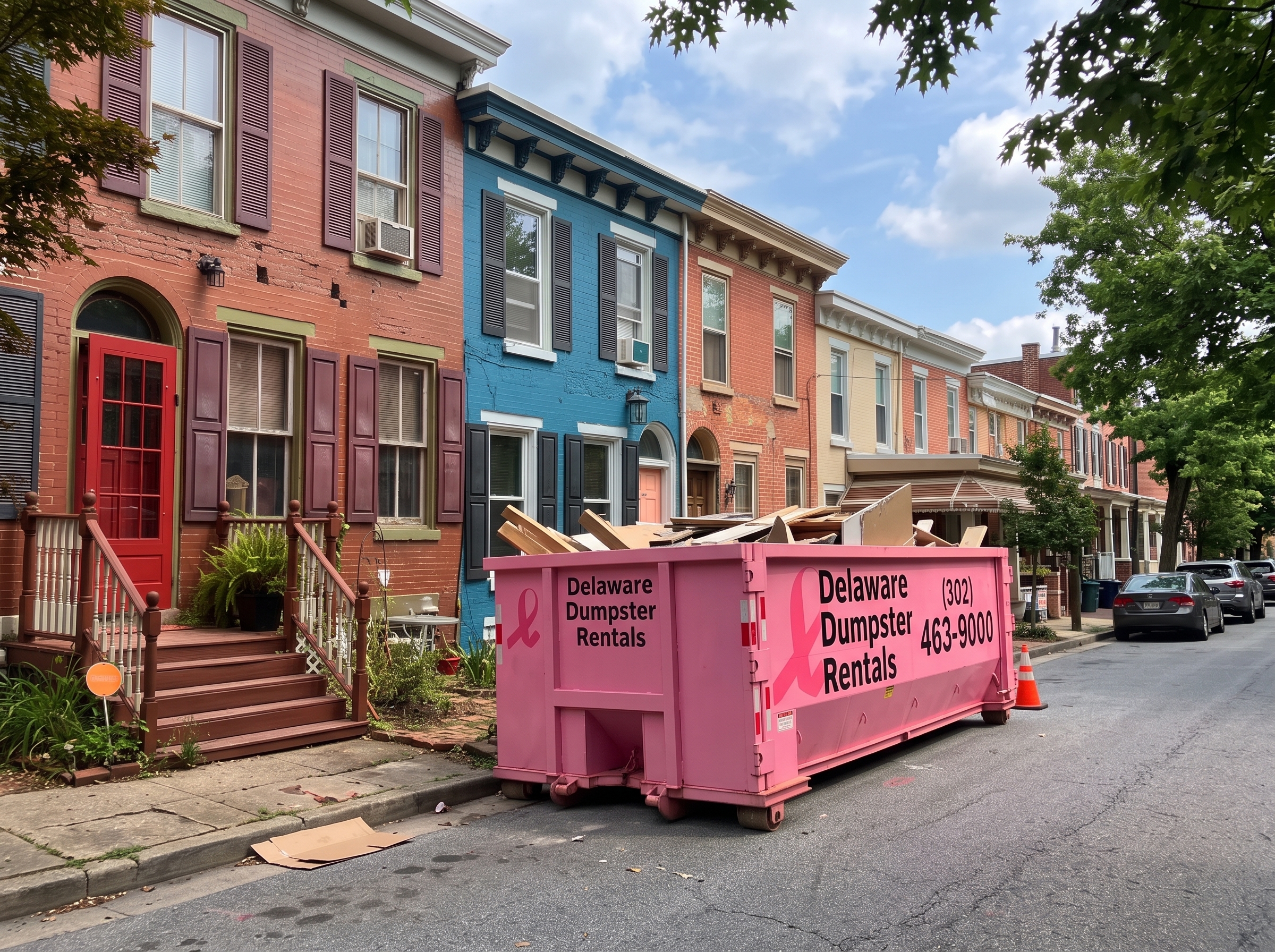

Fall arrives quickly in Wilmington. One week, the trees are full of color. The next, leaves are covering the lawn, collecting in gutters, blowing into flower beds, and piling up along fences and walkways. A few bags of leaves may be manageable, but a larger property cleanup can turn into an all-weekend project before you know it.
Why Fall Leaf Clean Up Matters in Delaware
A thick layer of leaves may look harmless at first, especially when the colors are still bright. Once the leaves get wet, though, they can create a different kind of problem. Heavy leaf cover blocks sunlight from reaching the grass, holds moisture against the lawn, and can leave behind slick surfaces on driveways, sidewalks, and front steps.
For many Delaware homeowners, fall leaf clean up is more than a cosmetic task. It is part of basic property maintenance. Clearing leaves away from the house, lawn, gutters, drains, and outdoor living areas can help keep the property easier to use through the colder months.
Leaf removal is especially important after rain or wind. Wet leaves can become dense and compacted. They settle into corners, cling to fences, block drainage areas, and get caught under shrubs. If they stay in place too long, they can make a yard look neglected just as the holiday season begins.
A thorough seasonal cleanup can help you:
- Keep walkways, stairs, and driveways safer when leaves are wet.
- Clear leaves away from gutters, downspouts, and drainage areas.
- Prevent leaf piles from smothering parts of the lawn.
- Make room for late-season pruning, planting, and landscaping work.
- Remove fallen branches and storm debris before winter weather arrives.
- Keep patios, decks, sheds, and garage entrances more accessible.
- Prepare the property for holiday guests, winter maintenance, or spring landscaping plans.
The challenge is not usually raking the first few piles. The challenge is deciding what to do when leaf bags begin stacking up, branches start collecting near the curb, and the cleanup expands from the front yard to the entire property.
When Yard Waste Becomes a Bigger Cleanup
Most homeowners start fall cleanup with a simple plan: rake the lawn, fill a few bags, and move on. Then the wind picks up. More leaves fall. A shrub needs trimming. A tree limb comes down after a storm. Before long, the cleanup includes much more than leaves.
This is common throughout Wilmington and nearby communities. Mature trees create plenty of shade in the summer, but they can also create a substantial amount of yard debris once autumn arrives. Properties with several large trees, wooded edges, long driveways, or extensive landscaping can produce far more waste than standard household trash service is designed to handle.
A dumpster can be useful when leaf clean up includes:
- Large amounts of bagged leaves.
- Branches, brush, twigs, and shrub trimmings.
- Storm debris from a windy or rainy weekend.
- Old mulch, landscape timbers, edging, or garden materials.
- Overgrown plants removed during a yard refresh.
- Damaged outdoor furniture or yard items.
- A garage, shed, or porch cleanout completed at the same time.
- Fence, deck, or landscaping debris from a fall project.
At Delaware Dumpster Rentals, we provide dumpsters for yard waste projects that include leaves, grass clippings, branches, stumps, soil, storm debris, and other outdoor materials. If your cleanup involves especially heavy materials, such as dirt, brick, concrete, stone, or large quantities of tree material, contact us before booking so we can help you plan for the proper container and disposal capacity.
A dumpster works best when the project has outgrown a few curbside bags but does not necessarily involve a full property renovation. It gives you a central location for debris from the moment you start raking until the last pile is cleared away.
A Dumpster Makes Leaf Clean Up Simpler
Fall yard work can become frustrating when debris has nowhere to go. Homeowners may rake leaves into piles, bag them, move the bags to one side of the driveway, and then make room for another pile. That process can take longer than the actual cleanup.
A roll-off dumpster changes the workflow. Instead of treating leaf disposal as a separate project, you can load approved debris as you work. Rake, bag, trim, carry, and toss. The debris stays contained in one place rather than spreading across the lawn, driveway, sidewalk, or curb.
This approach is especially helpful for homeowners completing a larger leaf clean up over several days. Delaware weather can be unpredictable in the fall. A cleanup that begins on a sunny Saturday may need to pause for rain, wind, work schedules, or family plans. Having a dumpster on-site gives you room to work at a comfortable pace instead of trying to finish everything before a single collection day.
Our 15-yard and 20-yard dumpsters each include up to 10 days of rental time. That gives many homeowners enough time to manage leaf removal, pruning, storm debris, and other seasonal outdoor work without rushing through the project.
Keep the Property Clear While You Work
The biggest benefit of a dumpster during a large fall cleanup is organization. Leaf bags and branches can take over a driveway surprisingly fast. Once there are piles near the garage, around the side of the house, or near a walkway, the work area becomes harder to navigate.
A dumpster gives the project boundaries. It keeps debris contained and helps prevent wind from scattering leaves and lightweight materials back across the yard after you have already cleaned them up.
For homeowners who are also preparing for guests, decorating for the holidays, closing a pool, storing patio furniture, or cleaning out a shed, that extra organization can make a major difference.
Avoid Repeated Disposal Trips
A few bags of leaves may fit in a vehicle. Multiple loads of bagged leaves, branches, brush, and outdoor debris are another matter. Repeated trips can take up an entire afternoon, especially when you need to load, unload, clean out the vehicle, and return home to finish the job.
With a dumpster in the driveway, the waste stays on the property until pickup. You do not have to stop the project every time the truck bed fills up. You can keep working while the container holds the debris.
This can be particularly practical for homeowners working on larger lots or handling seasonal cleanup after a storm. The goal is not to turn yard work into a bigger project than it needs to be. The goal is to create a straightforward system for the debris.
Make Space for Other Fall Projects
Leaf cleanup often leads to other work around the property. Once the leaves are cleared away, homeowners may notice overgrown shrubs, broken fencing, old landscape borders, damaged lawn furniture, worn deck boards, or clutter in the garage.
A dumpster can support more than one task. You may start with leaves and branches, then use the container for approved debris from a small outdoor refresh, shed cleanout, fence repair, or garage decluttering project.
That is why many homeowners schedule a dumpster for fall cleaning rather than only for major renovations. Seasonal cleanup can uncover years of accumulated outdoor materials that no longer belong on the property.
Choosing the Right Dumpster Size
The right dumpster size depends on the amount and type of debris you expect to remove. Leaves are light but bulky. Branches, brush, old landscape materials, soil, and damaged outdoor items can take up room quickly or add significant weight.
At Delaware Dumpster Rentals, our most common residential options for yard cleanup are 15-yard and 20-yard roll-off dumpsters.
When a 15-Yard Dumpster Works Well
A 15-yard dumpster is a practical choice for a focused fall leaf clean up, a medium-sized yard project, or a cleanup that includes leaves, branches, garden waste, and a limited amount of household clutter.
Our 15-yard dumpster measures 14 feet long, 8 feet wide, and 4 feet high. Its lower side walls can make loading more comfortable when you are carrying leaf bags, branches, yard waste, old planters, fencing pieces, or other bulky items from around the property.
This size can be a good fit when you are:
- Cleaning leaves from a standard residential lot.
- Removing brush and trimmings after pruning shrubs or small trees.
- Clearing out a garden bed or overgrown section of the yard.
- Handling a fall cleanup along with a garage or shed decluttering project.
- Removing old outdoor furniture, damaged yard décor, or small fencing materials.
- Cleaning up after a minor storm.
A 15-yard dumpster is not meant for a few small bags of leaves. It is designed for projects that have become too large for ordinary trash cans and occasional disposal trips but do not need the extra volume of a larger container.
When a 20-Yard Dumpster Makes More Sense
A 20-yard dumpster is often the better choice when the cleanup includes multiple areas of the property, substantial brush, large quantities of bagged leaves, storm debris, or additional cleanup work inside the home.
Our 20-yard dumpster measures 16 feet long, 8 feet wide, and 5 feet high. It includes up to 10 days of rental time and 2 tons of included disposal capacity.
This size may be a better fit when you are:
- Cleaning a large yard with several mature trees.
- Removing leaves from the front yard, backyard, garden beds, and wooded edges.
- Managing downed branches and brush after a storm.
- Clearing an overgrown property before winter.
- Combining leaf clean up with deck, fence, or landscaping work.
- Cleaning out a garage, basement, attic, or shed at the same time.
- Preparing a property for sale, a move, or a new tenant.
Consider Weight, Not Just Volume
Leaves, grass clippings, and light brush usually take up space before they add much weight. Dense materials are different. Soil, brick, stone, concrete, tile, roofing shingles, and large stumps can become heavy quickly, even when the dumpster does not look full.
If you expect your fall cleanup to include dirt from garden beds, landscape stone, old pavers, concrete edging, or other dense debris, let us know before delivery. We can help you choose a container and loading plan that fits the materials you need to remove.
How to Prepare for Dumpster Delivery
The easiest leaf clean up begins with a little planning before the dumpster arrives. Choosing a good placement area helps keep delivery smooth and gives you a convenient location for loading debris throughout the project.
For most homeowners, a driveway is the best place for a roll-off dumpster. It creates a stable surface, keeps the container close to the work area, and allows you to load debris without walking too far across the property.
Before delivery, take a few minutes to check the following details.
Choose a Flat, Accessible Placement Area
Pick a firm, level surface that can support the dumpster and the debris you plan to load. A driveway is often the most practical option, but a flat parking area or designated work zone may also work.
Keep the container close enough to the cleanup area to make loading easy, but avoid blocking garage doors, entrances, gates, sidewalks, or shared access points.
If your driveway is narrow, steep, recently paved, shared with neighbors, or difficult for a truck to access, contact us before scheduling. Discussing the site in advance can help avoid surprises on delivery day.
Clear the Delivery Route
The delivery truck needs room to safely enter, maneuver, and place the container. Move vehicles, trash bins, outdoor equipment, sports gear, trailers, and other obstacles out of the driveway and immediate delivery area.
Our Wilmington dumpster delivery guide recommends allowing approximately 60 feet of straight-line clearance and about 10.5 to 11 feet of width for the truck’s path. The exact site requirements can vary, but a clear route helps the driver complete the drop-off safely and efficiently.
If a gate blocks the route to the placement area, make sure it is unlocked and fully open before the scheduled delivery window.
Look Up for Low Branches and Wires
Many homeowners focus on the driveway but forget about overhead clearance. When a roll-off dumpster is delivered, the truck raises the container before setting it down. Low-hanging tree branches, utility lines, roof eaves, and other overhead obstacles can affect where the dumpster can safely go.
Our delivery guidance recommends checking for approximately 23 to 30 feet of vertical clearance above the placement area. If tree branches hang low over the driveway, trim them back safely in advance or select another location for the dumpster.
This is especially important during fall leaf clean up, when branches may already be low or weakened from weather.
Protect the Driveway if Needed
Roll-off dumpsters are heavy steel containers. A properly prepared driveway can help protect the surface during the rental period.
If you are concerned about concrete or asphalt, place sturdy plywood where the dumpster’s wheels will rest. Leave the plywood near the delivery area so the driver can use it during placement. This creates a protective layer between the container and the driveway surface.
Check Street Placement Rules
Private-property placement, such as a driveway, may not require a permit. Street, sidewalk, alley, or public right-of-way placement can involve local permit requirements.
If you need to place the dumpster on a public street in Wilmington or another nearby community, check with the appropriate local office before delivery. Homeowners in communities with an HOA should also review neighborhood rules about temporary dumpsters, placement locations, and rental duration.
Smart Ways to Load Leaves and Yard Debris
Once the dumpster is in place, loading it well can help you use the available space more effectively. Yard waste can be bulky and uneven, especially when the cleanup includes long branches, bagged leaves, brush, and old landscaping materials.
The best approach is to load with a plan rather than simply tossing everything in as quickly as possible.
Start With Large Branches and Bulky Materials
Load branches, brush, old fencing, landscape timbers, outdoor furniture, and other bulky materials first. Place them along the bottom of the container and arrange them as evenly as possible.
Long branches can create empty pockets of space if they are thrown in at random. Break down or cut oversized materials when it is safe to do so. This makes it easier to fit more debris into the dumpster and prevents branches from sticking above the top edge.
Do not attempt to force oversized items into the container. If something is too large to load safely, contact us to discuss the best option.
Bag Leaves When It Helps
Loose leaves can be loaded into a dumpster, but bagging them can make a large cleanup easier to manage. Bags help keep leaves from blowing around the property, make it easier to carry debris from the backyard, and allow you to fill open spaces between branches and bulkier items.
Avoid overfilling bags. A bag packed too tightly can be difficult to lift and may tear before it reaches the dumpster. Use manageable bag sizes, especially if you are working alone or carrying debris over uneven ground.
If your cleanup includes a high volume of leaves, it can help to rake them into piles first, bag them in stages, and load as you go. This keeps the lawn clear without creating a mountain of bags near the driveway.
Spread Out Heavier Yard Materials
If you are loading heavier approved debris, such as wet brush, soil, sod, landscaping stone, or dense wood, do not place it all in one corner of the container.
Spread weight across the bottom as evenly as possible. Balanced loading supports safer transportation and helps prevent one side of the dumpster from becoming much heavier than the other.
For materials like dirt, brick, concrete, large stumps, or stone, contact Delaware Dumpster Rentals before loading. Those materials may affect the best dumpster choice and allowable disposal weight.
Keep the Load Below the Top Edge
Every item must stay below the top edge of the dumpster. Overfilled containers can create a safety concern during pickup and may need to be adjusted before the truck can haul them away.
As you work through your leaf clean up, pause occasionally to check the load level. If branches, bags, or bulky items are building above the rim, rearrange the container before adding more debris.
A level load makes pickup easier and helps ensure the project finishes without an avoidable delay.
What to Keep Out of the Dumpster
A standard dumpster is meant for approved, non-hazardous debris. While many common cleanup materials are acceptable, some items need a separate disposal method.
Do not place hazardous materials in a dumpster. These may include:
- Wet paint, stains, solvents, and chemicals.
- Motor oil, fuel, antifreeze, and automotive fluids.
- Batteries and electronics.
- Propane tanks and pressurized containers.
- Tires.
- Pesticides, herbicides, and fertilizers.
- Appliances that contain refrigerants.
- Materials that may require special handling.
If you find questionable items while cleaning a garage, shed, basement, or outdoor storage area, set them aside instead of placing them in the dumpster. Contact us before loading anything you are unsure about.
This is particularly important during fall cleanup because homeowners often use the season to clear storage areas. An old can of paint or unused lawn chemical may have been sitting in the garage for years. Keeping those materials separate from ordinary yard debris helps avoid a pickup issue later.
Fall Cleanup Beyond the Leaves
A seasonal dumpster rental can support more than leaf removal. Many Wilmington-area homeowners use fall as a natural reset point before winter arrives.
Once the yard is cleared, it is easier to see the projects that have been waiting for attention. Maybe the old garden border needs to go. Maybe a damaged fence section needs to be removed before winter storms. Maybe the deck has broken boards, the shed is full of clutter, or the garage needs space for cold-weather storage.
A dumpster provides a practical place to manage approved debris from these projects without turning the driveway into a staging area.
At Delaware Dumpster Rentals, our dumpsters are commonly used for landscaping projects, seasonal cleanups, garage cleanouts, home repairs, deck and fence work, moving preparation, and other residential projects.
A few common fall cleanup combinations include:
- Leaf removal and shrub trimming.
- Storm debris cleanup and fence repairs.
- Garden-bed removal and landscape refresh projects.
- Leaf clean up and a garage organization project.
- Outdoor furniture removal and shed cleanouts.
- Brush removal before a new patio, walkway, or landscaping project.
- Preparing a rental property or home for sale before winter.
When you combine projects, choose a dumpster size based on the full cleanup—not only the leaves. Leaves take up volume, but furniture, construction materials, fencing, and landscaping debris can fill a container much faster than expected.
Plan Ahead for a Smooth Fall Project
Autumn is a busy season for property maintenance. Homeowners are trying to complete outdoor work before colder weather arrives, and contractors are often finishing projects before winter. Scheduling early can give you more flexibility with your preferred delivery date.
Before reserving a dumpster, think through the scope of the cleanup. Walk the property and make a simple list of what needs to go. Include leaves, branches, brush, old garden materials, outdoor items, garage clutter, and any repair debris you expect to create.
Then consider where the dumpster will sit, how you will move debris to it, and whether any materials need separate disposal.
At Delaware Dumpster Rentals, we serve homeowners and businesses throughout New Castle County with local dumpster rental and junk removal services. Our team can help you think through container size, placement, delivery access, and the type of debris involved in your project.
A little preparation makes leaf clean up easier. Instead of spending the season working around piles of yard waste, you can create a clear plan, load debris as you go, and enjoy a cleaner property before winter settles in.
FAQs About Fall Leaf Clean Up in Delaware
Can I use a dumpster for fall leaf clean up in Wilmington, DE?
Yes. At Delaware Dumpster Rentals, our dumpsters can be used for large fall leaf clean up projects that include leaves, branches, brush, grass clippings, storm debris, and other approved yard waste. A dumpster gives you one central location for debris while you clean the property.
What dumpster size is best for leaf clean up?
A 15-yard dumpster can work well for a medium-sized yard cleanup with leaves, branches, and light outdoor debris. A 20-yard dumpster is often better for large properties, multiple mature trees, major storm cleanup, or projects that combine leaf removal with garage, shed, landscaping, or fence debris. Our team can help you choose based on the amount and type of material you expect to remove.
Can I put branches and brush in a dumpster with leaves?
Yes, branches and brush can usually be loaded with leaves and other approved yard debris. Load large branches first, break down oversized materials when it is safe to do so, and keep all debris below the top edge of the container. Contact Delaware Dumpster Rentals before loading very large stumps or unusually heavy tree debris.
Can I put dirt, rocks, and landscaping materials in a dumpster?
You should contact Delaware Dumpster Rentals before loading dirt, rocks, concrete, brick, stone, or other heavy landscaping materials. These materials can add weight quickly, even when a dumpster is not full. We can help you determine the appropriate container and loading plan for your project.
Where should I place a dumpster for fall cleanup?
A flat, accessible driveway is usually the best location for a dumpster. Clear vehicles, trash bins, outdoor equipment, and other obstacles from the delivery path. Check for low-hanging branches and utility lines above the placement area. If you need to place the dumpster on a public street, sidewalk, or alley, check local permit requirements first.
What items should not go in a yard waste dumpster?
Do not place hazardous or restricted materials in the dumpster, including paint, chemicals, fuel, oil, batteries, tires, propane tanks, electronics, pesticides, or appliances with refrigerants. Set those items aside and contact Delaware Dumpster Rentals if you are unsure whether an item is acceptable.
Share this article
Latest articles

November 16, 2026
November 16, 2026