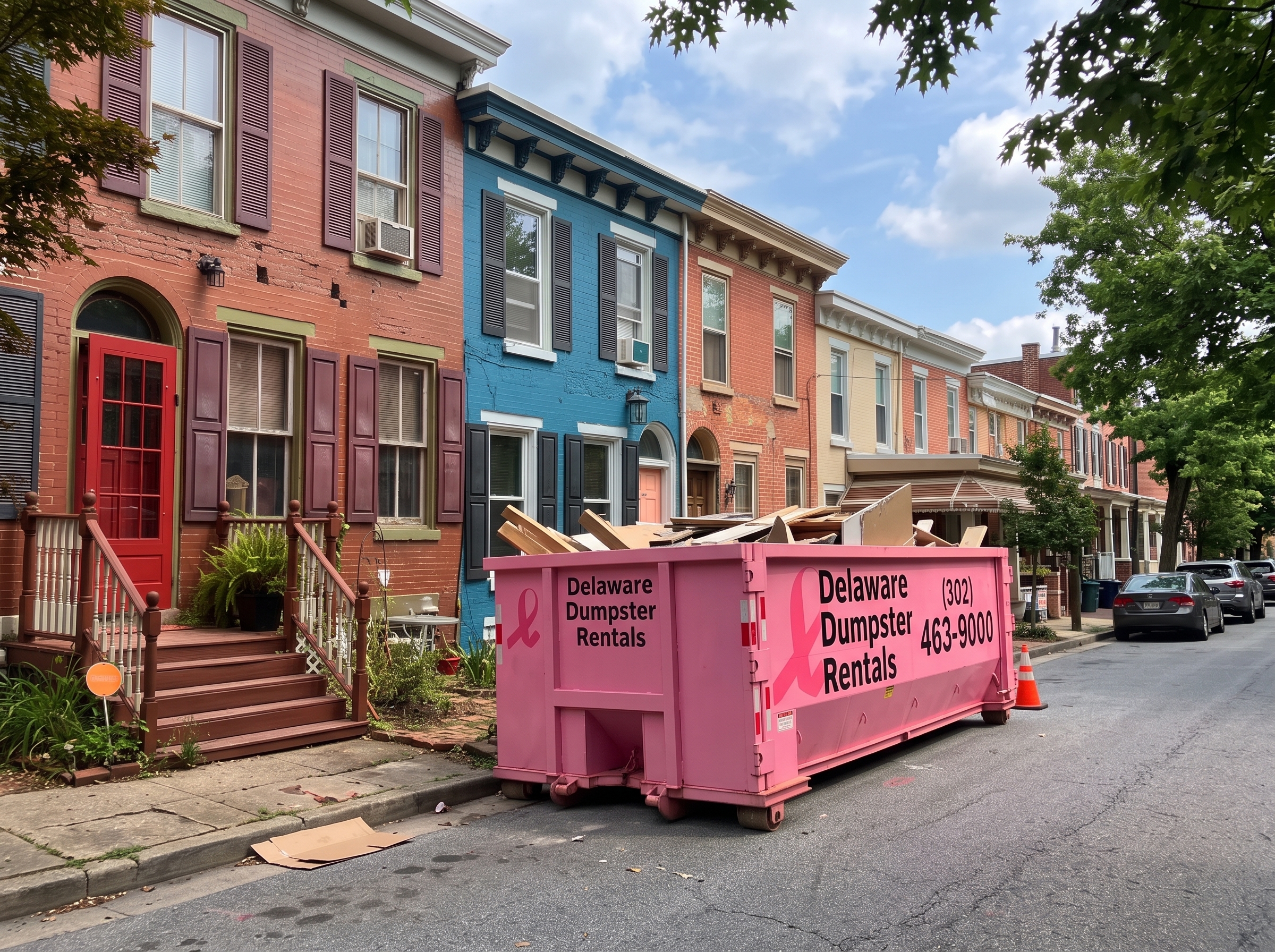

Moving can feel like a fresh start, but the work leading up to moving day often tells a different story. Closets are fuller than expected. The basement holds years of forgotten boxes. The garage has become a holding place for broken furniture, old paint cans, unused tools, and projects that never made it past the first weekend.
Start Moving Preparations Before Packing
Many people begin moving preparations by buying tape, boxes, and markers. Those supplies matter, but they should not be the first step. The first step is deciding what you actually need to pack.
Packing everything in your home may seem easier in the moment. It is not. Every unwanted chair, stack of old paperwork, broken appliance, and unused household item adds time, effort, and cost to the move. It also creates more work after you arrive.
Decluttering first gives you a clearer view of your belongings. You can pack with purpose instead of filling boxes with things you have not used in years. You may also discover that you need fewer boxes, less moving help, and less space in the truck.
For households in Wilmington and throughout New Castle County, this is especially important when moving from a home with limited storage or tight access. A garage, basement, attic, shed, or spare room can hide far more than you realize. Starting early gives you time to make smart decisions instead of rushed ones.
At Delaware Dumpster Rentals, we recommend beginning the decluttering process several weeks before moving day whenever possible. That timeline allows you to sort room by room, schedule donation pickups, set aside items to sell, and remove the debris that cannot come with you.
A dumpster rental helps keep that work moving. Rather than creating piles in every room, you have a reliable place for eligible unwanted materials as soon as you decide they need to go.
Why Decluttering Makes Moving Easier
Decluttering is not just about getting rid of things. It is about making the move more manageable from the first day of planning through the final box unpacked.
When you reduce what you own before a move, you reduce the number of decisions you need to make later. You also avoid transporting items that no longer fit your home, lifestyle, or new space.
You Pack Less
The most obvious benefit is simple: fewer belongings mean fewer boxes. That saves time during packing, loading, unloading, and unpacking.
Think about a storage closet filled with old holiday decorations, empty product boxes, worn linens, and outdated electronics. If only a small portion of those items will be used in your next home, there is no reason to carry all of them through the moving process. Sorting them now can turn an overwhelming closet into a quick packing job.
You Clear Space for Staging
If you plan to sell your current home, decluttering can make a noticeable difference. Open rooms, clean closets, and organized storage areas help people see the potential of a property.
This matters in Wilmington, where homes can range from compact city properties to larger residences with basements, garages, porches, and outdoor storage. Clearing out excess belongings helps each space feel more functional and easier to evaluate.
A dumpster offers a practical way to handle bulky items that cannot be donated, sold, or reused. Old shelving, damaged furniture, carpeting, worn-out fixtures, and other renovation leftovers can quickly make a property feel crowded if they remain on site.
You Avoid Last-Minute Disposal Problems
Moving day approaches quickly. If you wait until the final weekend to declutter, you may end up with piles of bags, furniture, and debris that do not fit in your regular trash collection.
That creates unnecessary pressure. You may be trying to coordinate movers, finish cleaning, return keys, and empty the property while also figuring out how to dispose of a couch, broken desk, or stack of construction materials.
Planning for disposal early keeps that from happening. With a dumpster on-site during your moving preparations, you can remove unwanted items as you work instead of saving the hardest part for last.
You Begin Your Next Chapter Lighter
A move gives you the chance to reset. You do not need to bring every item from the past into a new home.
Letting go of unusable, broken, outdated, or unwanted belongings creates room for the things that matter. It also helps you settle in more quickly. Instead of unpacking clutter into a new basement or spare room, you can start with a cleaner, more organized space.
The Best Time to Rent a Dumpster Before Moving
The right time to schedule a dumpster depends on the size of your home, how much you plan to clear out, and whether the move includes repairs or renovations. In most cases, it is best to have the dumpster delivered before the serious sorting begins.
For a typical household move, consider scheduling delivery one to three weeks before moving day. That gives you enough time to work through the home without turning decluttering into an all-day emergency.
If you are preparing a larger property, clearing an estate, managing a major downsizing project, or renovating before listing the home, you may want to start even earlier.
At Delaware Dumpster Rentals, we help customers across New Castle County choose a rental period that fits the real pace of their project. A move rarely happens in one afternoon. You may work through the house in stages, starting with storage areas and finishing with larger furniture once you know what will not make the trip.
Rent Before the Packing Rush
The best time to rent a dumpster is before boxes take over the house. Once every room is filled with packed belongings, sorting becomes harder because you may lose track of what is worth keeping.
Start with the areas that collect clutter first:
- Attics and crawl spaces
- Basements
- Garages
- Sheds
- Utility rooms
- Guest rooms
- Closets
- Home offices
- Outdoor storage areas
These spaces often contain the things people forget about until moving day gets close. By clearing them first, you make room to organize the belongings that will move with you.
Plan for Repairs and Cleanup
Some moving preparations include more than decluttering. You may need to remove worn carpeting, replace damaged drywall, clean out a garage, tear down old shelving, or complete other projects before listing or turning over the property.
A dumpster can handle many common household and renovation-related materials, depending on local disposal requirements and the specific items involved. It provides a convenient place to contain debris while you work, helping keep the property cleaner and safer.
If you are unsure whether a particular item belongs in the dumpster, contact Delaware Dumpster Rentals before loading it. It is always better to confirm accepted materials in advance than to deal with a disposal issue later.
Schedule Around Your Move-Out Date
Your dumpster should be available during the period when most disposal happens, not after the home is already empty. If you schedule pickup too early, you may discover another round of unwanted items during final cleaning.
A good approach is to begin decluttering early, continue filling the dumpster as you pack, and keep it through the final walkthrough or final cleanout. That gives you a place for last-minute debris such as damaged boxes, unwanted furniture, old cleaning supplies that cannot travel, or items left behind in storage spaces.
Create a Room-by-Room Decluttering Plan
The easiest way to make moving preparations feel manageable is to avoid tackling the entire house at once. Work one area at a time. Each completed room gives you visible progress and makes the next task feel more achievable.
Use four simple categories as you sort:
- Keep
- Donate or sell
- Recycle
- Dispose
The keep category should include items that are useful, meaningful, or needed in your next home. The other categories help you make a clear decision instead of moving things from one pile to another.
Begin With the Basement and Garage
Basements and garages are usually the most productive places to start. They tend to hold bulky, damaged, or long-forgotten items that are easy to identify as unnecessary.
You may find broken patio furniture, old tools, scrap wood, worn rugs, boxes of outdated supplies, leftover materials from past projects, and furniture that has not been used in years. These items take up space, create visual clutter, and can slow down a move.
A dumpster rental is especially useful for this stage because it keeps large debris contained. Instead of placing items along the curb or trying to load them into a personal vehicle, you can move eligible materials directly into the container as you work.
For homeowners in New Castle County, this can make a major difference during a full-house cleanout. The garage and basement often hold enough unwanted material to fill several vehicle loads.
Work Through Closets and Bedrooms
Bedrooms are usually easier once you begin. Focus on clothing, shoes, linens, books, décor, and personal items.
Ask practical questions:
- Have I used this in the past year?
- Does it fit my current life?
- Is it in good enough condition to donate?
- Would I buy this again today?
- Does it deserve space in my new home?
Be honest with yourself. Moving gives people permission to let go of duplicate items, outdated clothing, and belongings they have kept only because they were already there.
For textiles and clothing in usable condition, donation may be a better option than disposal. For damaged, stained, or unusable materials, determine whether they can be recycled locally or placed in your dumpster based on the rental guidelines.
Sort the Kitchen With a Practical Mindset
Kitchens can be deceptively time-consuming. Drawers and cabinets collect duplicate utensils, old food containers, expired pantry goods, damaged cookware, and appliances that rarely get used.
Start with the items you reach for every day. Then look at everything else. If you have three can openers, mismatched containers without lids, or a small appliance that has sat untouched for years, moving may be the right time to remove it from your home.
Do not place food, liquids, or prohibited household materials in a dumpster without checking the rules first. Some items require separate disposal methods. Keeping those materials out of the container protects the rental process and helps ensure the load can be handled correctly.
Clear the Home Office
Home offices can accumulate paperwork, old electronics, cables, packaging, expired supplies, and broken furniture. Before you throw anything away, review documents for sensitive information.
Shred paperwork that includes financial details, account numbers, medical information, or other private records. Recycle paper when possible. For electronics, batteries, and certain equipment, use appropriate recycling or disposal options rather than placing them in a standard dumpster unless you have confirmed they are accepted.
Once you remove the unnecessary items, pack the documents and equipment you actually use. A clean office makes it easier to restart your routine after the move.
Finish With Furniture and Large Items
Furniture decisions often come last because they feel bigger and more final. But they should be part of your moving preparations well before the truck arrives.
Measure your new home if possible. Consider the layout, storage, stairs, doorways, and overall style of the space. A large sectional may not fit the new living room. An old bedroom set may no longer match your needs. A damaged recliner may not be worth moving.
Selling or donating usable furniture can help someone else. For furniture that is broken, heavily worn, water-damaged, or no longer usable, a dumpster can provide a straightforward disposal solution.
How Dumpster Rentals Support a Cleaner Move
A dumpster rental is more than a container in the driveway. It gives your project a central system for waste management.
Without one, decluttering often becomes a cycle of temporary piles. You create a stack in the garage, move it to the curb, load some into a vehicle, make a disposal trip, and return home to find more items waiting. That process can stretch across several weekends.
With a dumpster, you can work at your own pace. As you decide an item needs to go, you can place eligible material in the container and continue working.
Keep Debris Contained
A moving cleanout can create a surprising amount of waste. Flattened boxes, broken shelving, old rugs, damaged furniture, renovation debris, and miscellaneous household items can quickly cover a garage or driveway.
Containment matters. A dumpster keeps debris in one place, which helps you maintain a safer and more organized work area. It also makes it easier to see how much progress you have made.
This can be particularly helpful in Wilmington neighborhoods where space may be limited. Instead of letting unwanted materials spread across the property, a properly placed container helps keep the cleanup controlled.
Reduce Repeated Trips
Personal vehicles are not designed for major cleanouts. Loading and unloading heavy, awkward, or dirty debris can take time, risk damage to the vehicle, and create multiple trips.
A dumpster rental reduces that burden. Rather than driving back and forth with small loads, you can dispose of eligible debris on-site. That gives you more time to focus on packing, cleaning, coordinating your move, and handling the many details that come with changing homes.
Make Large Projects More Realistic
Some moves involve more than a typical household cleanout. You may be helping a parent downsize, clearing a home after a family transition, preparing a rental property for a new tenant, or managing an estate cleanout.
These projects can involve years of belongings and a mix of furniture, household goods, storage materials, and debris. They often need a more reliable solution than regular trash service can provide.
Delaware Dumpster Rentals works with customers throughout New Castle County who need a practical way to manage these larger projects. The right dumpster size and rental period can make a difficult cleanout feel more organized and less overwhelming.
Choosing the Right Dumpster for Moving Preparations
The right dumpster size depends on the volume and type of material you expect to remove. A container that is too small may fill up before you finish. One that is much larger than necessary may not be the best fit for your property or project.
Before scheduling, take a quick inventory of what you plan to discard. Walk through the house, garage, basement, shed, and outdoor areas. Estimate how many bulky items you have and whether you are also removing construction or renovation debris.
At Delaware Dumpster Rentals, we can help you think through your project and select a size that makes sense for the amount of material involved.
Smaller Cleanouts
A smaller dumpster can work well for apartment moves, partial garage cleanouts, bedroom decluttering, or a focused project involving a few rooms.
This option may be useful if you are moving from a Wilmington apartment, condo, townhome, or smaller home and mainly need to remove boxes, household clutter, minor furniture, and general debris.
Whole-Home Decluttering
A mid-sized or larger container may be more appropriate for a full-house move, major downsizing project, estate cleanout, or property preparation project.
If you are clearing a basement, garage, attic, and multiple rooms at the same time, the volume can add up quickly. Bulky furniture, carpeting, old mattresses, cabinets, shelving, and accumulated household items take up more space than most people expect.
Renovation and Moving Together
Some homeowners handle repairs before selling or moving into a new property. If your project includes demolition debris along with household cleanout material, tell us when you schedule your rental.
Materials such as concrete, brick, dirt, shingles, and other heavy debris may have different loading or disposal requirements. Discussing the project upfront helps you choose the right approach and avoid overloading the container.
What You Can Usually Put in a Dumpster
Moving cleanouts often create a mix of items, and many common materials can be placed in a rental dumpster. Exact guidelines can vary by location and disposal facility, so always confirm with Delaware Dumpster Rentals before loading unusual or questionable items.
Commonly accepted materials may include:
- Household junk and general clutter
- Old furniture
- Non-hazardous construction debris
- Wood and lumber
- Drywall
- Flooring and carpeting
- Cabinets and shelving
- Yard debris, depending on the project and local guidelines
- Broken household items
- Empty cardboard boxes
The key is to keep your load limited to approved, non-hazardous materials. If you know you will be disposing of a specific type of debris, mention it during the rental process.
Items That Need Special Disposal
Not every item from a move belongs in a dumpster. Some materials require separate handling because they can create safety, environmental, or disposal concerns.
Common items that often need special disposal include:
- Paint, stains, solvents, and chemicals
- Motor oil, gasoline, and automotive fluids
- Propane tanks
- Batteries
- Tires
- Electronics
- Refrigerators, air conditioners, and other appliances containing refrigerants
- Asbestos-containing materials
- Medical waste
- Hazardous materials
Do not assume an item is acceptable just because it is old or unwanted. When in doubt, ask before loading it.
For example, an old couch may be appropriate for the dumpster, while a can of leftover garage paint may need to go through a separate household hazardous waste program. Taking a few minutes to check can prevent delays and keep the disposal process safe.
Prepare Your Property for Dumpster Delivery
A little preparation makes delivery and pickup easier. Before your scheduled rental date, choose a location that is accessible, level, and clear of obstacles.
Driveways are often the most convenient placement area, but every property is different. Consider the size of the container, the delivery truck’s access needs, and how you will move materials from the home to the dumpster.
Choose a Clear Location
Remove vehicles, trailers, basketball hoops, branches, and other obstacles from the intended placement area. Make sure there is enough room for the truck to safely position the dumpster.
If you live in a dense Wilmington neighborhood or a property with a narrow driveway, think about access early. A clear plan helps avoid delays on delivery day.
Protect the Surface if Needed
If you are concerned about your driveway surface, ask about placing boards under the container. This can help distribute weight and provide an added layer of protection.
You should also avoid placing the dumpster on soft ground, uneven terrain, or areas where underground utilities may be a concern.
Check Local Requirements
Some locations may require a permit if the dumpster needs to sit on a public street, sidewalk, or other public area. Requirements can vary based on the municipality and exact placement.
If you need to place the container outside your private property, check the applicable local rules before delivery. Planning ahead is especially important in Wilmington and other parts of New Castle County where street parking and public right-of-way access can be limited.
Load Your Dumpster Safely and Efficiently
Once the dumpster arrives, load it with a plan. The way you fill the container affects how much material fits and whether the load can be transported safely.
Start with the largest and heaviest items. Place them evenly across the bottom of the dumpster. Break down furniture, boxes, shelving, and other bulky materials when possible. Flat items can often fit along the sides, leaving more room in the center.
Avoid tossing everything in randomly. A little organization can make a substantial difference, especially during a large cleanout.
Keep all debris below the top edge of the dumpster. Overfilled containers may not be safe to transport, and materials that extend above the container can create pickup problems.
If you are cleaning out a home with multiple family members involved, set a clear rule: only place items in the dumpster after everyone agrees they are no longer needed. This prevents accidental disposal of something important during the rush of moving preparations.
A Practical Moving Timeline
A structured timeline helps you avoid the familiar last-minute scramble. Every move is different, but this framework can help you organize the decluttering and disposal work.
Four to Six Weeks Before Moving Day
Start with storage areas, seasonal belongings, old décor, and duplicate household items. Make donation and sale decisions early. Walk through the home and identify bulky items that will not move with you.
If you expect a large amount of debris, this is a good time to contact Delaware Dumpster Rentals and discuss your project.
Two to Three Weeks Before Moving Day
Schedule your dumpster delivery and begin the more serious cleanout. Work room by room. Pack the items you are keeping, set aside donations, and place approved disposal items in the dumpster.
Focus on areas that require time: basements, garages, attics, sheds, and closets.
One Week Before Moving Day
Finish sorting furniture and remaining household items. Handle final cleaning, minor repairs, and any debris from property preparation work.
Keep the dumpster available if possible. This is often when people discover last-minute items they do not want to transport.
Final Days
Use the final days to remove packing debris, broken boxes, unwanted cleaning supplies that are eligible for disposal, and items left behind in storage areas. Do a final walkthrough of every room, closet, cabinet, shelf, basement corner, and outdoor area.
A clean, empty property makes the handoff easier, whether you are selling, ending a lease, or turning over a rental.
Moving Preparations for Different Situations
No two moves look the same. The amount of decluttering you need depends on your home, timeline, and reason for moving.
Downsizing to a Smaller Home
Downsizing requires honest decisions. A smaller home may not have room for extra furniture, duplicate kitchen supplies, storage bins, or collections that have grown over time.
Start by considering the layout and storage capacity of the new home. Then choose what truly fits. A dumpster rental can help manage the items that are no longer practical to keep.
Moving Out of a Rental
Rental move-outs can come with strict deadlines. You may need to remove every personal item, clean the property, and avoid leaving debris behind.
A dumpster can be useful when regular trash service cannot handle the volume of discarded materials. It also gives you a clear place for broken furniture, unwanted household goods, and other eligible debris during the final cleanout.
Preparing a Home for Sale
When preparing a home for the market, decluttering can make rooms look larger and storage areas more useful. It also makes cleaning and minor repairs easier.
If the property includes an old shed, crowded garage, unfinished basement, or years of accumulated belongings, a dumpster rental can help you make visible progress quickly.
Handling an Estate Cleanout
Estate cleanouts often carry emotional weight. They can also involve a large number of household belongings, papers, furniture, and stored items.
Give yourself time. Sort carefully, save important documents, and involve family members when needed. A dumpster can support the physical cleanup while you focus on making thoughtful decisions about personal items.
Move With Less Stress
The most successful moves are not always the ones with the most boxes packed first. They are the ones where the home has been sorted, the clutter has been addressed, and the final days do not become a scramble.
At Delaware Dumpster Rentals, we believe moving preparations should create a path forward, not add another layer of stress. A dumpster rental gives New Castle County homeowners, renters, landlords, and families a dependable way to handle the debris that comes with a move.
Whether you are clearing a Wilmington basement, downsizing in Newark, preparing a home in Bear, or finishing a cleanout anywhere in New Castle County, starting early can make all the difference. Sort what you need, let go of what you do not, and give yourself the space to begin again.
Moving Preparations Made Simpler: Your Questions Answered
How does a dumpster rental help with moving preparations?
At Delaware Dumpster Rentals, we provide a central place to dispose of eligible unwanted items while you declutter before a move. This helps you clear out furniture, household junk, old boxes, renovation debris, and other materials without making repeated disposal trips.
When should I schedule a dumpster rental before moving?
We recommend scheduling your dumpster before the main decluttering and packing phase begins. For many moves, one to three weeks before moving day gives you time to sort through storage areas, remove large items, and handle final cleanup.
Can I rent a dumpster for a Wilmington move-out?
Yes. Delaware Dumpster Rentals serves Wilmington and surrounding areas of New Castle County. A dumpster can be useful for apartment move-outs, home cleanouts, rental property turnovers, downsizing projects, and pre-sale property preparation.
What household items can I place in a moving dumpster?
Many common household items can be placed in a dumpster, including old furniture, general clutter, wood, carpeting, cabinets, shelving, cardboard, and non-hazardous debris. Contact Delaware Dumpster Rentals before loading materials if you are unsure whether an item is accepted.
What should not go in a rental dumpster?
Do not place hazardous or restricted materials in the dumpster without approval. These can include chemicals, paint, propane tanks, batteries, tires, electronics, refrigerant appliances, motor oil, and medical waste. We can help you determine the proper disposal method for questionable items.
Do I need a permit for a dumpster in New Castle County?
You may need a permit if the dumpster will be placed on a public street, sidewalk, or another public right-of-way. Requirements vary by municipality, so check local rules before delivery if the container cannot be placed on private property.
Share this article
Latest articles

November 16, 2026
November 16, 2026