
Roof and Siding Contractors: The Ultimate Guide to On-Site Dumpsters for a Safer Job Site
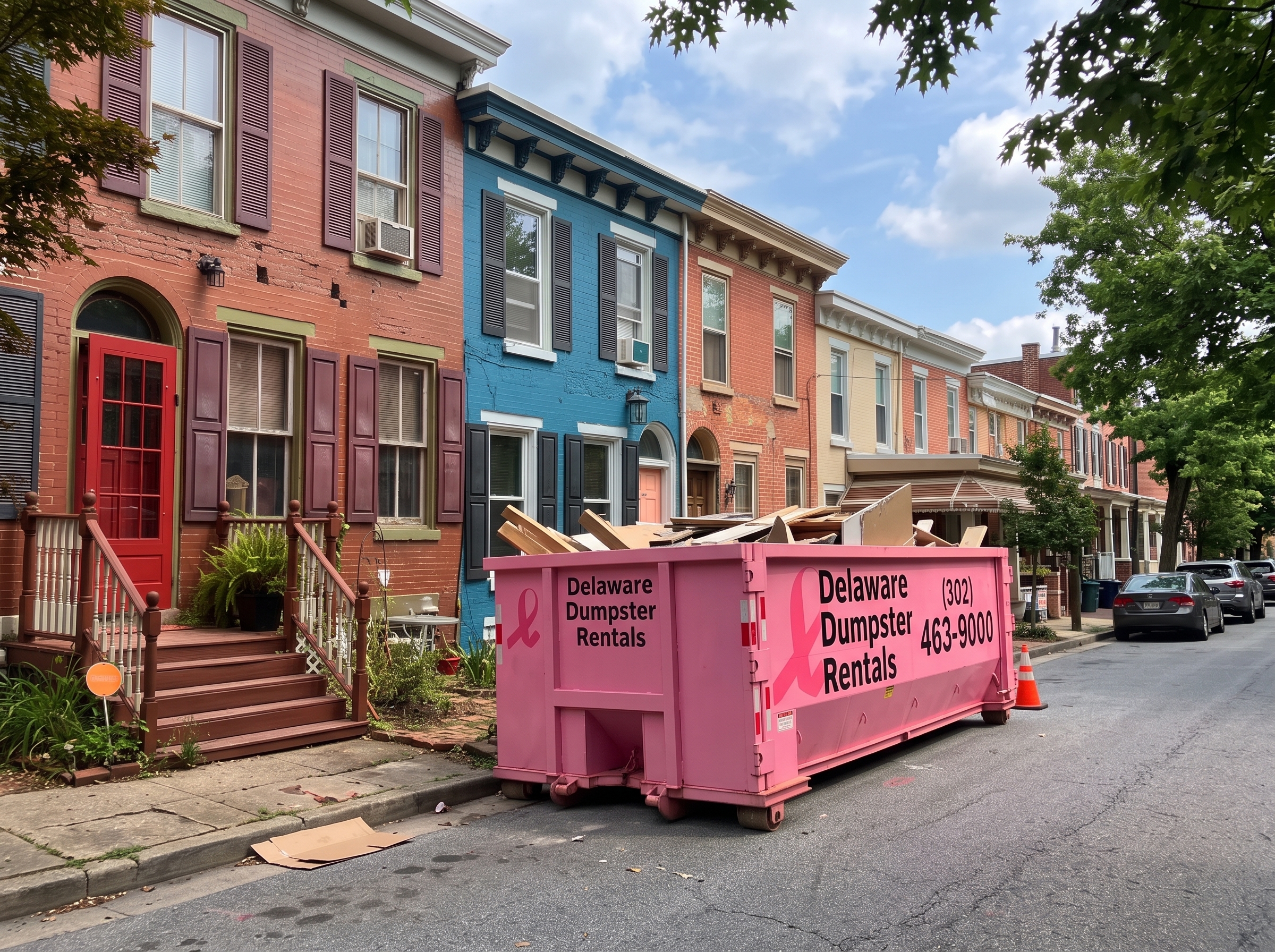
If you’re one of the many roof and siding contractors working across Newark, Delaware and the surrounding areas, you already know that a clean, organized job site is a productive one. But did you know that having a roll-off dumpster on-site isn’t just a convenience — it could be one of the smartest safety decisions you make on every single project?
Why Job-Site Safety Matters for Roof and Siding Contractors
Roofing and siding work is physically demanding and inherently hazardous. Workers are elevated, handling heavy materials, and navigating surfaces that are constantly changing as old material comes off and new material goes on. Add a cluttered ground environment filled with discarded shingles, old flashing, bent nails, siding scraps, and broken fascia boards, and you’ve got a recipe for serious injury.
According to OSHA, 20% of all workplace accidents on construction sites involve slips, trips, or falls — and many of those incidents are directly linked to poor site organization. For roof and siding contractors, where workers are already at elevation, a messy ground level creates compounding risks: workers carrying materials can trip, equipment operators lose sightlines, and even homeowners or passersby can be put in danger.
The solution doesn’t have to be complicated. A strategically placed roll-off dumpster changes the entire dynamic of a job site by giving every crew member a clear, centralized place to dispose of waste immediately — rather than letting it pile up around the work zone.
How On-Site Dumpsters Reduce Injuries for Roof and Siding Contractors
Eliminating Trip and Fall Hazards
The most immediate safety benefit of renting a roll-off dumpster is reducing the debris that accumulates at ground level. When workers have a designated disposal container right on-site, they’re far more likely to toss waste immediately rather than setting it aside. That means fewer shingles sliding around the driveway, fewer nails lurking in the grass, and fewer obstacles to navigate while carrying heavy bundles up a ladder or staging materials along a wall.
A clean walking path isn’t a luxury — it’s a safety standard. And when every crew member on your team knows exactly where waste goes, maintaining that standard becomes second nature.
Protecting Workers from Sharp and Hazardous Materials
Old roofing and siding materials are notorious for hidden dangers. Roofing nails don’t disappear just because the shingles are off the roof — they end up in the scrap pile, in the grass, or stuck in debris that workers step on, kneel on, or handle with their hands. Similarly, old aluminum siding, fiber cement board, and metal flashing can have edges sharp enough to cause serious lacerations.
An on-site dumpster gives workers a safe, immediate place to contain these materials. Instead of stacking old shingles in a corner of the yard or tossing broken siding panels into a loose pile, everything goes directly into the container. Out of the way, out of reach, and out of danger.
Supporting OSHA Compliance
OSHA’s General Duty Clause (Section 5) requires that employers provide a workplace free from recognized hazards that could cause harm or death. For roof and siding contractors, that means maintaining a job site that minimizes debris-related risks at every phase of the project.
Renting a dumpster is one of the most straightforward ways to demonstrate compliance with this standard. When OSHA inspectors or insurance auditors review your job site, a well-placed, properly managed roll-off dumpster signals that your team takes safety seriously — and it can protect you from costly fines or citations.
Improving Air Quality and Reducing Dust Exposure
Roofing tear-offs generate a significant amount of dust and particulate matter — especially on older homes where materials may include granule-heavy asphalt shingles, deteriorated underlayment, or legacy materials. When debris is allowed to accumulate and gets disturbed repeatedly by foot traffic or wind, those particles become airborne and create respiratory hazards for your crew.
A dumpster provides a contained area for waste that reduces repeated disturbance of debris. The less that old material sits around the site getting trampled, the better the air quality for everyone working the job.
Smart Dumpster Placement for Roof and Siding Job Sites
Having a dumpster on-site is only half the battle — where you place it matters just as much as having it at all. Poor placement can create its own hazards, including blocked access routes, interference with equipment, and limited visibility for machinery operators.
Key Placement Guidelines Every Roof and Siding Contractor Should Follow:
- Keep dumpsters at least 15 feet from building entrances to maintain clear access and emergency egress
- Maintain a 20-foot clearance for emergency access routes so fire trucks or emergency vehicles can always get through
- Never place a dumpster beneath an overhead work area — falling debris into or near the container creates serious risk
- Position the container on firm, level ground to prevent tipping or shifting during loading
- Avoid high-traffic walkways and equipment travel paths to keep workers and machinery separated from the waste area
Working with an experienced local dumpster rental company means you’ll get guidance on placement right from the start — so you can focus on the job instead of guessing.
Types of Waste Roof and Siding Contractors Generate
Understanding the volume and variety of waste your projects produce helps you choose the right dumpster size — and makes sure nothing ends up in a container it shouldn’t.
Typical Roofing and Siding Waste Includes:
- Asphalt shingles (heavy and dense — weight adds up fast)
- Roofing felt and underlayment
- Old flashing, gutters, and drip edge
- Plywood decking and fascia board
- Vinyl, aluminum, or fiber cement siding panels
- Foam insulation board and house wrap
- Nails, staples, and metal fasteners
- Packaging materials and wrap from new product bundles
Most of this waste is non-hazardous and perfectly suited for a standard roll-off dumpster. However, if your project involves any older materials that may contain lead-based paint or asbestos — common in homes built before 1980 — those materials require special handling and disposal procedures. Always consult with your dumpster rental provider if you suspect hazardous materials are present.
Choosing the Right Dumpster Size for Your Roofing or Siding Project
One of the most common mistakes roof and siding contractors make is underestimating how much waste a project generates. Shingles are heavy — a single square (100 sq. ft.) of asphalt shingles can weigh between 150 and 350 pounds. A full roof tear-off on an average home can easily produce 1–2 tons of material.
General Sizing Guidelines:
- 10-yard dumpster — Best for small repairs, partial siding replacements, or limited residential patches
- 15-yard dumpster — A solid choice for mid-size roofing jobs or full siding replacements on smaller homes
- 20-yard dumpster — Ideal for full roof replacements, large siding overhauls, or multi-day projects with significant volume
When in doubt, go bigger. Overfilling a dumpster is a safety violation — and debris spilling over the rim creates exactly the kind of hazard you’re trying to avoid. A good dumpster rental partner will help you choose the right size so you’re never stuck paying overage fees or ordering a second container mid-job.
Efficiency Benefits Beyond Safety
The safety benefits of on-site dumpsters are significant, but the productivity gains are just as compelling for busy roof and siding contractors.
Here’s How a Dumpster Rental Boosts Your Team’s Efficiency:
- Less time hauling debris — Workers spend more time on the actual installation and less time making multiple trips to a truck or trailer
- Faster project completion — A clean, organized site keeps the work flowing without constant cleanup interruptions
- Professional appearance — Homeowners and neighbors notice when a job site is well-managed; it reinforces your reputation and can lead to referrals
- Easier final cleanup — When debris has been collected in one place throughout the project, end-of-job cleanup takes minutes, not hours
- Reduced equipment damage — Keeping nails and sharp materials contained prevents flat tires on company vehicles and damage to staging equipment
A well-run job site tells your clients a lot about how you run your business. When they see a tidy yard, a properly placed dumpster, and a crew that cleans as they work, it builds trust — and that trust turns into repeat business and five-star reviews.
Why Delaware Dumpster Rentals Is the Right Partner for Roof and Siding Contractors
When you’re knee-deep in a roofing or siding project in Newark or anywhere across Delaware, the last thing you want to worry about is waste logistics. That’s exactly why so many local roof and siding contractors turn to Delaware Dumpster Rentals as their go-to dumpster solution.
Local Expertise You Can Count On
Delaware Dumpster Rentals knows the Newark area, the local regulations, and the realities of working on residential and commercial job sites right here in the First State. You’re not dealing with a national call center — you’re working with a local team that understands your needs.
Fast, Reliable Delivery
You can’t afford to have your crew standing around waiting for a dumpster to arrive. Delaware Dumpster Rentals prioritizes prompt delivery so your container is in place before the first shingle hits the ground.
The Right Sizes for Roofing and Siding Work
Whether you’re doing a quick repair or a full house reside and re-roof, Delaware Dumpster Rentals offers container sizes that match your project’s actual waste volume — no overpaying for more than you need, and no scrambling for a second container mid-job.
Transparent, Straightforward Pricing
Hidden fees are the last thing a contractor needs when managing a tight project budget. Delaware Dumpster Rentals believes in clear, upfront pricing so you know exactly what to expect.
A Partner Who Respects Your Job Site
Delaware Dumpster Rentals handles dumpster placement with care for your client’s property — so you don’t have to worry about driveway damage or landscaping concerns creating friction with homeowners.
When roof and siding contractors in Delaware choose Delaware Dumpster Rentals, they’re choosing a partner who helps them work safer, cleaner, and smarter on every single project.
Frequently Asked Questions for Roof and Siding Contractors
What size dumpster do roof and siding contractors typically need?
Most roof and siding contractors find that a 10- to 20-yard roll-off dumpster covers the majority of residential jobs. A 10-yard is well-suited for small repairs or partial work, while a 20-yard dumpster is the preferred choice for full roof replacements or complete siding overhauls on average to larger homes. Because roofing shingles are particularly heavy, always factor weight — not just volume — when selecting your container size.
How does having a dumpster on-site reduce injuries for roofing and siding crews?
An on-site dumpster reduces injuries by eliminating the debris accumulation that leads to trips, falls, cuts, and puncture wounds. When workers have a dedicated, centralized place to immediately dispose of old shingles, siding panels, nails, and flashing, the ground-level work environment stays clear and hazard-free. Studies show that 20% of construction site accidents involve slips, trips, or falls — most of which can be prevented with proper waste management.
Are roofing shingles and siding materials accepted in standard roll-off dumpsters?
Yes — asphalt shingles, vinyl siding, fiber cement board, aluminum panels, underlayment, roofing felt, flashing, and most standard construction waste from roofing and siding projects are accepted in roll-off dumpsters. However, materials that may contain asbestos or lead paint (common in older homes) require special handling and cannot go into a standard dumpster. Always notify your rental provider if hazardous materials may be present.
Where should a dumpster be placed on a roofing or siding job site?
The ideal placement keeps the dumpster accessible for workers without obstructing walkways, emergency access routes, or equipment paths. Best practices include positioning the container at least 15 feet from building entrances, maintaining 20 feet of clearance for emergency vehicles, placing it on firm and level ground, and keeping it away from any overhead work areas where falling debris could be a risk. Your dumpster rental provider can help identify the best spot during delivery.
How long can roof and siding contractors typically keep a rental dumpster on-site?
Rental periods vary by provider, but most companies offer flexible rental durations ranging from a few days to a week or more, with extension options available. For multi-day roofing or siding projects, discuss your expected timeline with your rental company upfront so you have the container for as long as you need it — without rush fees or scheduling gaps.
Do I need a permit to place a dumpster on the street for a roofing or siding job in Delaware?
Permit requirements vary by municipality. If the dumpster will be placed entirely on private property (a driveway or yard), a permit is generally not required. However, if the container needs to be placed on a public street or sidewalk, most Delaware municipalities — including Newark — require a permit from the local public works or transportation department. Delaware Dumpster Rentals can guide you through local requirements to make sure your project stays fully compliant from day one.
Final Thoughts
For roof and siding contractors in Newark, Delaware and beyond, an on-site dumpster isn’t just a convenience — it’s a fundamental part of running a safe, efficient, and professional operation. From eliminating trip-and-fall hazards to maintaining OSHA compliance and impressing homeowners with a clean job site, the benefits stack up fast. And when you partner with a reliable local provider like Delaware Dumpster Rentals, you get the right container, at the right time, with the local knowledge and service you need to keep every project on track.
Ready to make your next roofing or siding job your cleanest and safest one yet? Contact Delaware Dumpster Rentals today and let’s get the right dumpster in place before your first crew member climbs that ladder.
Share this article
Latest articles

November 16, 2026

November 16, 2026