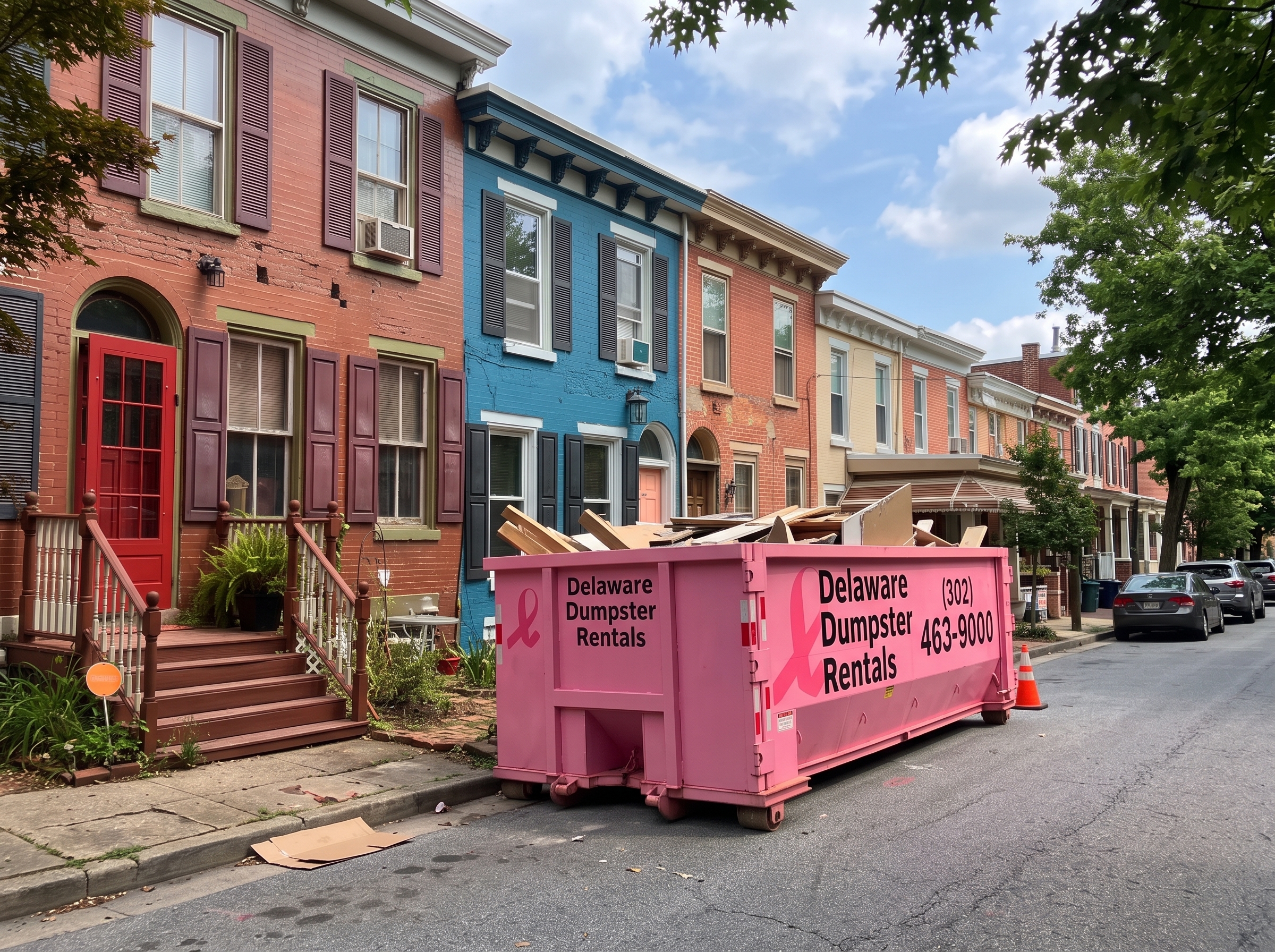

What Size Dumpster Do I Need for a Roofing Replacement?
Your roof just failed inspection, the contractor gave you the green light, and now you’re staring down a full roofing replacement. Exciting? Kind of. Overwhelming? Absolutely. But before the first shingle hits the ground, there’s one question you need to answer: what size dumpster do you need for a roofing replacement?
Get this wrong, and you’re either paying overage fees on a container that’s bursting at the seams — or you’re renting a dumpster big enough to swallow a swimming pool for a job that barely fills a pickup truck. Neither scenario is fun. This guide walks you through everything you need to know so you can get the right size, avoid the headaches, and keep your roofing project running smoothly from day one.
Why Roofing Replacement Generates So Much Debris
Before we talk dumpster sizes, let’s talk about what you’re actually throwing away. A full roofing replacement isn’t just old shingles — it’s layers of materials stacked on top of each other, and it all has to go somewhere.
Here’s a quick breakdown of what typically ends up in your dumpster during a roofing replacement:
-
Asphalt or architectural shingles — the bulk of the weight
-
Old underlayment and felt paper
-
Flashing (the metal strips around vents, chimneys, and edges)
-
Ridge caps and hip shingles
-
Damaged or rotted decking/plywood — often discovered mid-project
-
Nails, staples, and miscellaneous hardware
-
Gutters, if they’re being replaced at the same time
The average bundle of asphalt shingles weighs between 60 and 80 pounds. A standard “square” of roofing covers 100 square feet and requires about 3 bundles — meaning one roofing square can weigh anywhere from 180 to 240 pounds, just in shingles alone. That adds up fast.
Understanding Dumpster Sizes: What Do the Numbers Mean?
Dumpster sizes are measured in cubic yards, which refers to the volume of material a container can hold. But here’s the thing — for roofing projects, weight limits matter just as much as volume. Roofing debris is dense and heavy, so you might fill the weight limit before you fill the container.
Here’s a general overview of common dumpster sizes and what they can handle:
| Dumpster Size | Volume Capacity | Typical Weight Limit | Best For |
|---|---|---|---|
| 15-Yard | ~15 cubic yards | 2,000–4,000 lbs | Smaller roofs under 20 squares, Cape Cods, ranch homes |
| 20-Yard | ~20 cubic yards | 4,000–6,000 lbs | Mid-size homes, 20–25 squares, colonial and two-story homes |
The Key Factors That Determine Your Dumpster Size
1. The Size of Your Roof
This is the most obvious factor, but you’d be surprised how many homeowners skip the math. Measure your roof and calculate the total number of squares (1 square = 100 sq ft of roof area).
Here’s a quick rule of thumb:
-
Under 20 squares (under 2,000 sq ft): A 10 to 15-yard dumpster will usually do the job
-
20 to 25 squares (2,000–2,500 sq ft): Go with a 20-yard dumpster
-
Larger roofs or multi-layer tear-offs: A 20-yard dumpster with a planned swap-out may be needed
2. The Type of Roofing Material
Not all shingles are created equal — and the heavier the material, the smaller the dumpster size you can safely use before hitting the weight limit.
Here’s how common roofing materials stack up:
-
3-Tab Asphalt Shingles: Lighter and very common; a 20-yard dumpster handles most standard-sized homes
-
Architectural/Laminate Shingles: Heavier than 3-tab; a 2,500 sq ft roof with laminate shingles can max out a 20-yard dumpster’s weight limit at around 6,000 lbs
-
Wood/Cedar Shakes: Moderate weight but bulky; volume can be a constraint
-
Slate or Tile Roofing: Extremely heavy — a 40-yard dumpster might only handle about 1,000 sq ft of slate before hitting weight limits
-
Metal Roofing: Dense but often lighter per square than tile; check with your rental provider
Pro tip: If you’re dealing with slate, clay tile, or multiple layers of any material, always go one size up from what you think you need. The overage fees for exceeding weight limits are almost always more expensive than the upgrade.
3. How Many Layers Are Coming Off
Here’s something homeowners often forget: older homes sometimes have two or even three layers of shingles stacked on top of each other — each previous re-roof just got shingled right over the existing one.
If your contractor is tearing off multiple layers, you can easily double or triple your debris weight compared to a single-layer tear-off. A roof that might need a 15-yard dumpster for a single layer may suddenly need a 30-yard dumpster when two layers are involved.
4. Are You Replacing Gutters or Decking Too?
If your roofing replacement is paired with new gutters, soffit, fascia, or any decking replacement, budget for more space in your container. Rotted plywood and long sections of aluminum gutters are surprisingly bulky and can eat up container space quickly.
A Practical Size Guide by Home Type
Still not sure which size is right for you? Here’s a practical breakdown based on common home types for Delaware homeowners:
Small Cape Cods and Ranch Homes (Under 1,500 sq ft)
A 15-yard dumpster is usually all you need for a single-layer asphalt shingle tear-off on a smaller home. These containers handle 2,000–4,000 pounds, which covers most lightweight shingle jobs in this size range.
Average Colonial or Two-Story Homes (1,500–2,500 sq ft)
This is the most common scenario for Delaware homeowners, and a 20-yard dumpster is typically the right call. It handles up to 6,000 lbs of debris and gives you enough buffer room for any unexpected finds — like a few sheets of damaged decking that need to come out.
Larger Homes and Multi-Story Properties (2,500–3,500 sq ft)
For bigger footprints, use a 20-yard dumpster with swap-outs when needed. You’ll have room for a full tear-off plus any extras, and you won’t be sweating it if your contractor finds some nasty surprises under those shingles.
Large Estates, Flat Commercial Roofs, or Multi-Layer Tear-Offs
Go big with a 20-yard dumpster — or plan for multiple swaps. At this scale, weight management becomes critical, especially if you’re dealing with heavy commercial roofing materials.
Dumpster Placement: Don’t Overlook This Step
Picking the right dumpster size is only half the battle. You also need to think about where it’s going to sit during your roofing replacement.
Here are a few placement tips to keep in mind:
Driveways are the most common spot — they keep the dumpster off the street and protect your lawn
Place plywood under the container to protect your driveway surface from scratches and dents
Make sure there’s enough clearance for shingles being tossed from the roof — your crew will be throwing debris from 15–25 feet up
Check if a permit is required if the dumpster needs to sit on the street; in New Castle County, street placement permits may be required by local ordinance
What Happens If You Overfill?
Overfilling a dumpster is a bigger problem than it might seem. Most rental companies have a fill line — debris cannot exceed the top rim of the container. If materials are piled above the rim, the truck driver legally cannot haul it away. You’ll either need to remove the excess debris yourself or pay extra fees to have it sorted out.
The best way to avoid this? Be honest about your project scope when you call to reserve your dumpster, and when in doubt — size up.
Why Rent From Delaware Dumpster Rentals for Your Roofing Replacement in New Castle County
When it comes to roofing replacement projects in New Castle County, Delaware Dumpster Rentals isn’t just another option — it’s the local option. Here’s why that matters.
They Know New Castle County
Delaware Dumpster Rentals is a family-owned business rooted right here in New Castle County. That means they understand local delivery routes, neighborhood access quirks, and the permitting landscape in a way that out-of-state national chains simply don’t. No one wants a delivery driver who can’t find their street — or worse, drops a container in the wrong spot.
The Right Size for Every Roofing Job
From 15-yard containers perfect for smaller residential tear-offs to larger roll-off options for bigger homes and contractor jobs, Delaware Dumpster Rentals has the right fit for your project. Their team is available to help you choose the best container size based on your roof’s square footage, material type, and project scope — so you’re not guessing.
Up to 10 Days of Rental Time
Roofing replacements don’t always wrap up on day one. Weather delays happen, unexpected decking repairs come up, and sometimes contractors need a few extra days. Delaware Dumpster Rentals offers rental periods of up to 10 days, giving your crew plenty of time to complete the job without scrambling to get everything done on a tight clock.
Budget-Friendly Pricing — No Surprise Fees
Nobody wants sticker shock after their roofing project is already done. Delaware Dumpster Rentals is known for transparent, competitive pricing designed for both homeowners and contractors in the area. Starting prices are clearly listed, and the team is upfront about what’s included — so there are no nasty surprises when the invoice shows up.
Customer-Centric, Personal Service
You’re not just a ticket number here. As a family-owned local business, Delaware Dumpster Rentals takes a genuinely personal approach to every rental. Whether you’re a first-time homeowner navigating your first roofing project or a contractor managing multiple job sites, you can count on responsive, friendly service from a team that’s invested in your project going smoothly.
Frequently Asked Questions About Dumpster Size for Roofing Replacement
What size dumpster do I need for a roofing replacement on an average-sized home?
For most average-sized homes between 1,500 and 2,500 square feet, a 20-yard dumpster is the most commonly recommended size for a roofing replacement. It typically holds up to 6,000 lbs of asphalt shingle debris, which covers a standard single-layer tear-off on a mid-sized Delaware home. If your roof uses heavier materials like architectural laminate or you’re removing multiple layers, consider stepping up to a 30-yard container.
How heavy is roofing debris from a typical roofing replacement?
Roofing debris weight varies by material, but as a general estimate, a single square (100 sq ft) of asphalt shingles weighs between 250 and 400 pounds when removed. A 2,500 sq ft roof using laminate shingles can generate around 6,000 lbs of debris — right at the limit of most 20-yard dumpsters. Heavier materials like slate or clay tile can weigh significantly more per square, so always confirm weight limits with your rental provider.
Can I put roofing shingles and other construction debris in the same dumpster?
Yes — for most roofing replacements, you can mix shingles with other roofing-related debris like flashing, underlayment, old gutters, and damaged plywood in the same dumpster. However, keep in mind that mixing heavy shingles with bulky materials can fill your container faster than expected. It’s always a good idea to let your rental company know what you’re disposing of so they can help you size the container appropriately.
What happens if I need more dumpster capacity mid-project?
If your dumpster fills up before the project is done, most rental companies — including Delaware Dumpster Rentals — can arrange a swap-out, where the full container is hauled away and replaced with an empty one. This is more common than you’d think, especially when unexpected decking repairs add extra debris volume. Planning for this possibility in advance (and budgeting for it) is a smart move.
Does roofing replacement debris require a special type of dumpster?
No special dumpster type is needed for standard roofing materials like asphalt shingles, wood shakes, or metal roofing. Standard roll-off dumpsters handle roofing debris just fine. However, some materials — like asbestos-containing roofing products found in older homes — require specialized disposal and cannot go into a standard roll-off container. If your home was built before the 1980s, it’s worth having your roofing material tested before the tear-off begins.
How do I calculate the number of roofing squares to determine dumpster size?
To calculate roofing squares, measure the length and width of each roof section, multiply those numbers together to get the square footage, and then divide by 100. For a simple gable roof on a 40 ft x 50 ft home, that’s 2,000 sq ft ÷ 100 = 20 squares. Add all sections together for your total, then factor in pitch (steeper roofs have more surface area than they appear from the ground) when sizing your dumpster.
Share this article
Latest articles

November 16, 2026
November 16, 2026